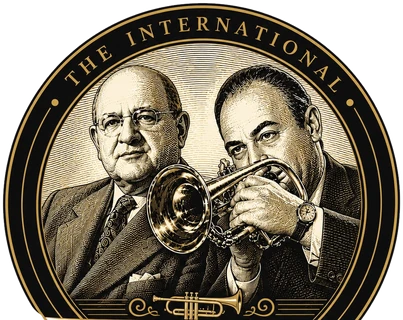

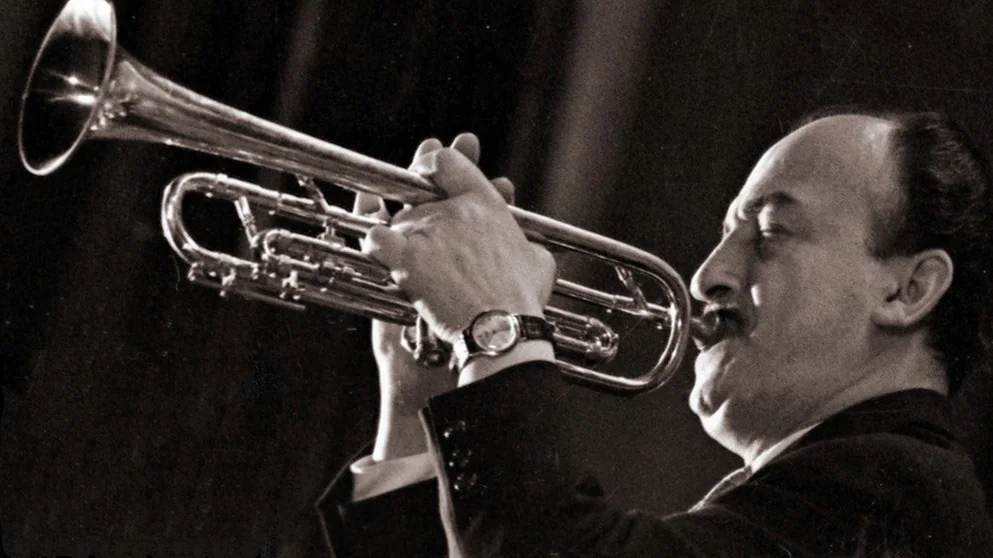
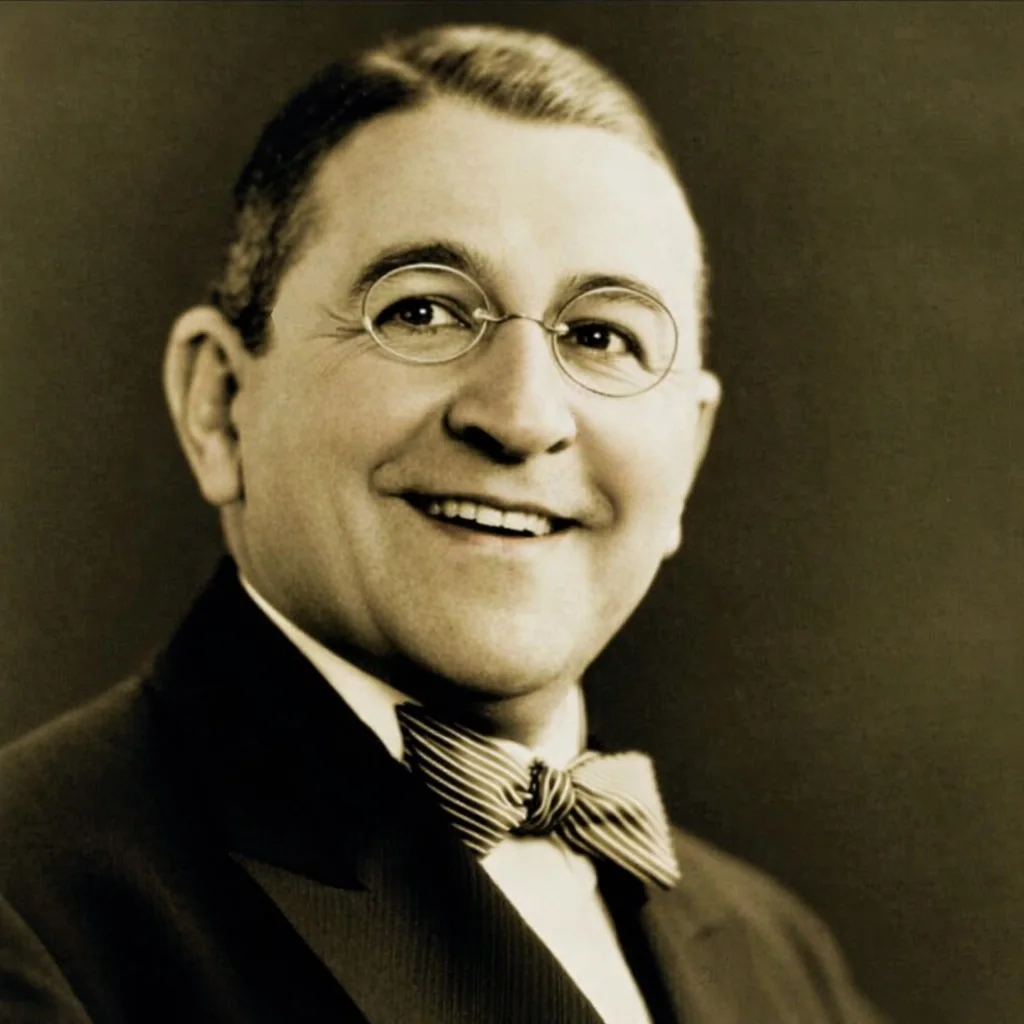
Eddie (Adi) Rosner & Oskar (Oscar) Strock
There they are: the great "unknowns" of European and German music history, still waiting for their true discovery and the recognition they deserve. In many countries they stood at the very forefront of cultural transfer and of the development of swing and tango music
The Oskar Strock & Eddie Rosner Heritage Society (also known as the Oskar Strock & Eddie Rosner Society or "Interessen- und Arbeitsgemeinschaft Oskar Strock und Eddie Rosner", founded in 1998) has been, since 2003, a dedicated activity laid down in the association's statutes and at the same time an independent working group of the International Oskar Strock and Eddie Rosner Society for Multimedia Culture and European Communication. Its aim is to nurture and preserve the memory of two legendary bandleaders and composers of the 20th century, and to make sure their sounding legacy keeps receiving attention, again and again and ever more widely. They had much in common: both were exceptional talents, not for nothing called the "tsar of Russian big-band swing" (Rosner) and the "king of Russian tango" (Strock). "Bridge-builders" between the cultures, formative figures in Berlin's simmering cultural scene between 1929 and 1933, they celebrated their first great successes in Europe and went on to shape Russian popular music decisively for decades. Beyond that they were refugees and emigrants par excellence, border-crossers, forever on the move between countries and regions: Germany and Latvia, Russia and France, Poland and Japan, Belgium and China, Scandinavia and Siberia, Belarus and Kazakhstan - between success and persecution, street-corner hits and oblivion. Often they fought on nearly "lost ground": whether in the GULAG or after expulsion from the composers' union.
Cultivating the culture of remembrance of these persecuted musicians goes hand in hand with musical, music-historical and didactic educational work. The relevant tasks and long-term goals include making this music visible in Germany, introducing participants to the field, integrating the musicians involved into the German cultural landscape, multiplier work as well as political and historical awareness-raising, creating and installing memorial plaques, taking stock and researching, securing traces and rescuing archives, along with publications and book presentations and cooperation with authors and translators.
We are in contact with the composers' heirs, hold extensive materials and exclusive performance rights to several arrangements and compositions, and would be delighted if you chose to support our undertaking in whatever way: organisationally or financially - whether through an earmarked donation or simply with your time, whatever you could spare for a publication, a workshop, a music event, a lecture, a search for traces and artefacts, another research task, or perhaps for a memorial plaque in Berlin. All help is welcome!
On 27 May 2018 we ceremonially unveiled the first memorial plaque for Eddie Rosner in Germany and in Western and Central Europe, at the house of his birth in Berlin (Gormannstrasse 10/11).
Under the society's wing, since August 2021,
The Oskar Strock & Eddie Rosner Orchestra
has been performing. Line-up: vocals, clarinet and saxophone, trumpet, piano, double bass,
drums.
Here you will find a video recording:
https://youtu.be/m_X8u2yjFUg
Some notes on the programme:
In the last period of the Weimar Republic, the Latvian-Russian pianist and bandleader Oskar Strock composed and published his first tango hits and recorded them in Berlin for gramophone records. At the same time began the steep rise of Eddie (Adi) Rosner, another exceptional talent of Polish-Jewish provenance, a native Berliner who played trumpet in the best jazz bands of Berlin. Both left the German capital in 1933, soon to become the most important co-founders of the Russian swing and tango tradition in the Soviet Union - and to be threatened and persecuted once again. The ensemble's programme features above all the songs and pieces that were either composed by Rosner and Strock themselves or interpreted by them and their colleagues of the day. The accomplished line-up provides not only an authentic atmosphere and a thrilling journey through time, but also new creative messages in a respectful dialogue with works from a treasure chest full of exquisite surprises and rarities long believed lost. The songs of the programme are performed in 7 languages, mainly German and Polish, but also English, Yiddish, Russian, Italian and Ukrainian.
Write to us at:
strock-rosner-society@radioakzent.de
First Spokeswoman of the Board: Gala Sittner
(sittner@radioakzent.de, strock.rosner.society@gmail.com)